 Business License

Top Practices for Using a Sterilization Pouch Sealer for Sterility Now 1
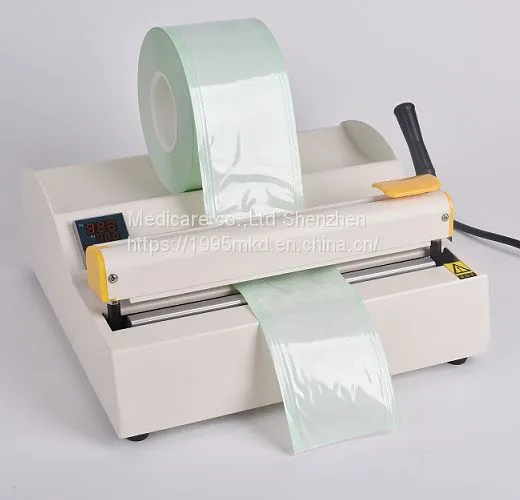
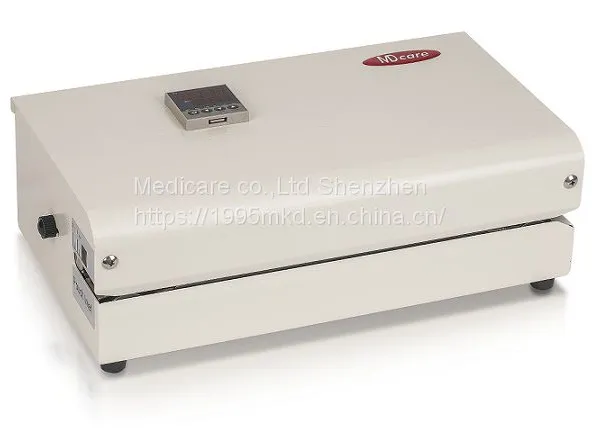
Maintaining sterility is a critical requirement in healthcare, laboratories, dental clinics, and many industrial environments. Instruments that are not properly sterilized can compromise safety, lead to contamination, and create serious compliance issues. One essential piece of equipment in this process is a sterilization pouch sealer, which ensures that sterilization pouches remain airtight and secure before and after sterilization cycles.
Using a Pouch sealer correctly not only protects instruments but also preserves the integrity of sterilization procedures. However, improper handling, inconsistent sealing temperatures, or poor maintenance can reduce effectiveness. This guide explains best practices, operational tips, and maintenance recommendations to help ensure optimal sterility when sealing sterilization pouches.
Understanding the Role of Pouch Sealing in Sterilization
Sterilization pouches are designed to hold instruments safely during sterilization processes such as autoclaving or chemical sterilization. A proper seal prevents contaminants from entering after sterilization while allowing sterilizing agents to penetrate effectively beforehand.
If the seal is weak or uneven, sterility may be compromised. This is why consistent sealing pressure, temperature, and technique are crucial. A reliable sealing process ensures:
Protection against microbial contamination
Secure storage of sterilized instruments
Compliance with infection control standards
Extended shelf life of sterile items
A high-quality sealing routine helps maintain confidence in sterile workflows across medical and laboratory settings.
Choosing the Right Equipment
Before focusing on best practices, selecting appropriate equipment is essential. Different pouch sealers offer varying features such as temperature control, automatic timers, or continuous band sealing.
When evaluating options, consider:
Seal width and consistency
Adjustable temperature settings
Ease of operation and maintenance
Durability for daily use
Compliance with regulatory standards
Investing in reliable equipment ensures consistent sealing results and reduces the risk of human error.
Preparation before Sealing
Proper preparation is often overlooked but plays a major role in achieving optimal sterility.
1. Inspect the Pouches
Always check sterilization pouches for damage, moisture, or contamination before use. Torn or compromised pouches should never be sealed.
2. Clean and Dry Instruments
Instruments must be thoroughly cleaned and completely dry prior to packaging. Residual moisture can interfere with sterilization and sealing.
Recently Posted
-
Four Precautions for Using Medical Sealing Machines
June 15, 2026Medical sealing machines are mainly used for sterilization of medical equipment in hospital sterilization supply rooms, operating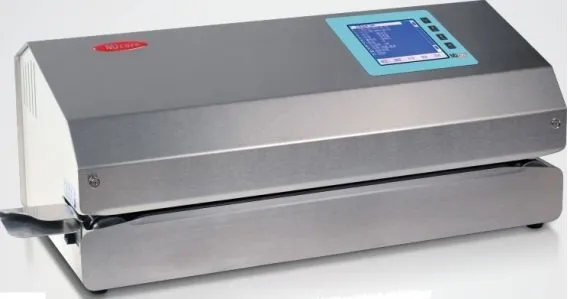 Read More
 -
UDI encoding components
June 15, 2026UDI stands for Unique Device Identification, a series of numbers, letters, or characters created using globally recognized device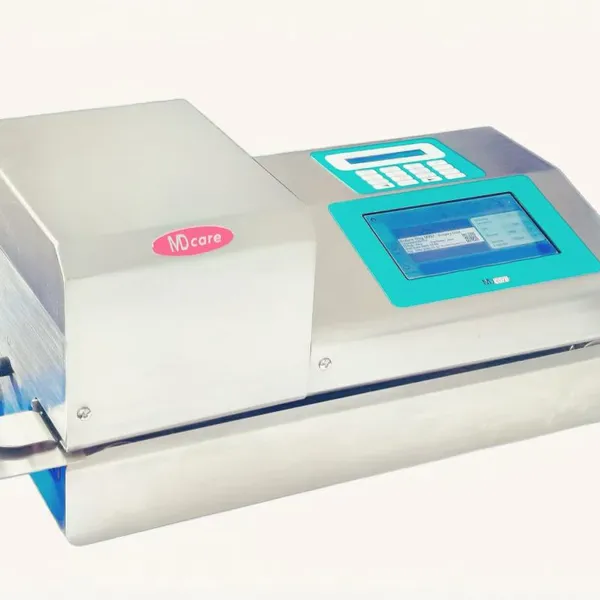 Read More
 -
Advantages of Modern Medical Sealing Technology
June 3, 2026Advanced sealing systems provide several benefits for healthcare facilities and medical manufacturers.Improved EfficiencyAutomated
Read More -
Key Features of a High-Quality Medical sealing machine
June 3, 2026Choosing the right sealing machine is important for improving operational performance and packaging reliability.Accurate Temperatu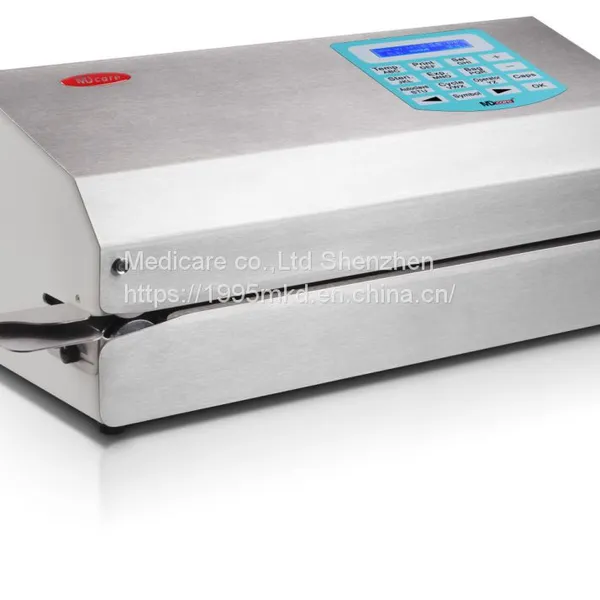 Read More

Contact Us
Recommended Products
-
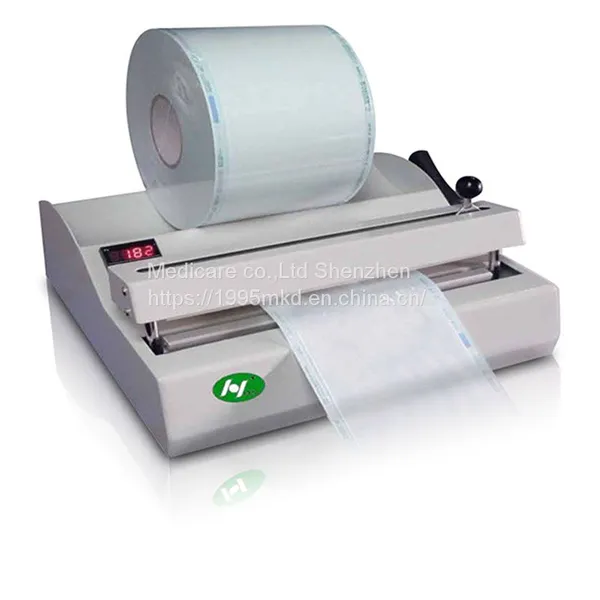
 MDcare MD400 Baking Enamel Cover Cuting 25cm Wideth Manual Medical Sealing Machine Dental Heat SealerUS$ 138 - 160MOQ: 1 Set
 -
MDcare MD660 LCD Screen Continuous Medical Sealer Dental Cutting 1.2cm Width Sterilization MachineryUS$ 533 - 560MOQ: 1 Set
-
MDcare MD386 7'' LCD Touch Screen 77cm Length Intellectual Cut-seal-print ComplexerUS$ 3833 - 4250MOQ: 1 Piece
-
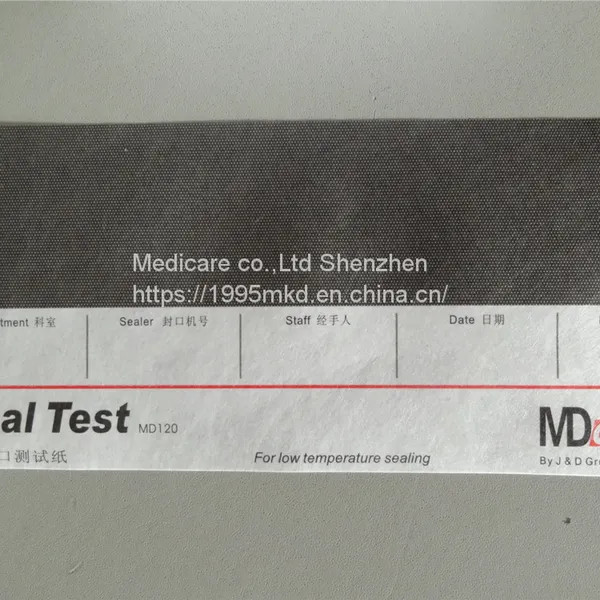
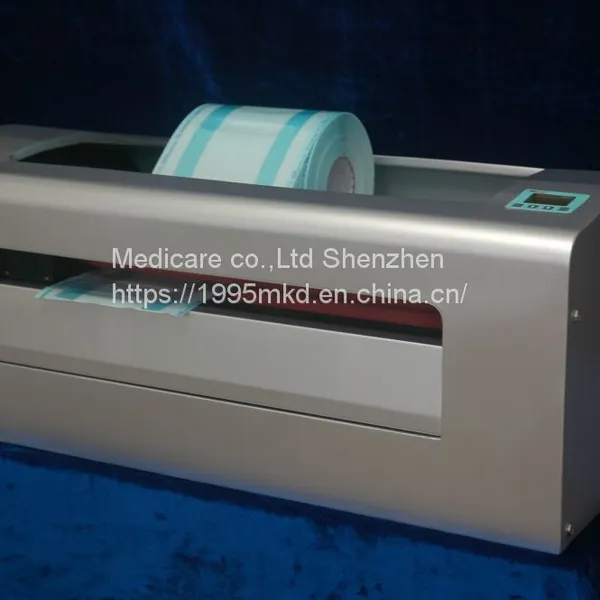
150pcs MDcare MD120 Medical Sealing Machine Low Temperature Test Card Test Paper And Ink For 120℃ Tyvek Pouch, Sterilization Paper Plastic BagUS$ 52 - 56MOQ: 1 Case
-
MDcare MD380 Stainless Steel LCD Touch Screen Auto Cutting 60cm Wide Sterilization Medical Printing Blood Bag Tube DeviceUS$ 3500 - 3830MOQ: 1 Piece
-
MDcare MD660 LCD Screen Continuous Medical Sealer Dental Cutting 1.2cm Width Sterilization MachineryUS$ 533 - 560MOQ: 1 Set
-
MDcare MD860V Stainless Steel Medical Sealer Printing Blood Bag Tube Sealing MachineryUS$ 1450 - 1750MOQ: 1 Piece
-
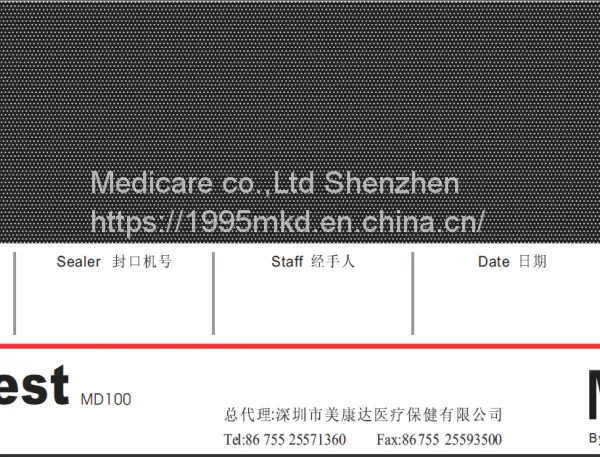
Medical Sealing Machine l High Temperature Test Card Test Paper Sterilization Paper Plastic BagUS$ 45 - 55MOQ: 1 Case
-
MDcare MD680st 400W 220V Continuous Medical Sealer Medical Dental Auto Cutter 1.2cm WidthUS$ 550 - 580MOQ: 1 Piece
-
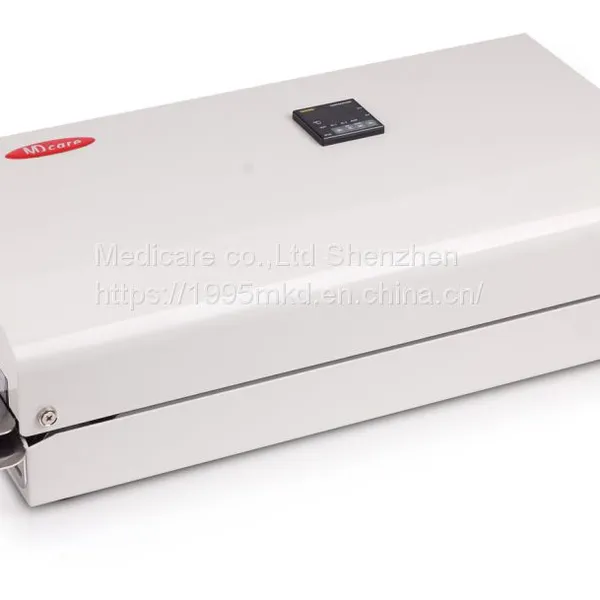
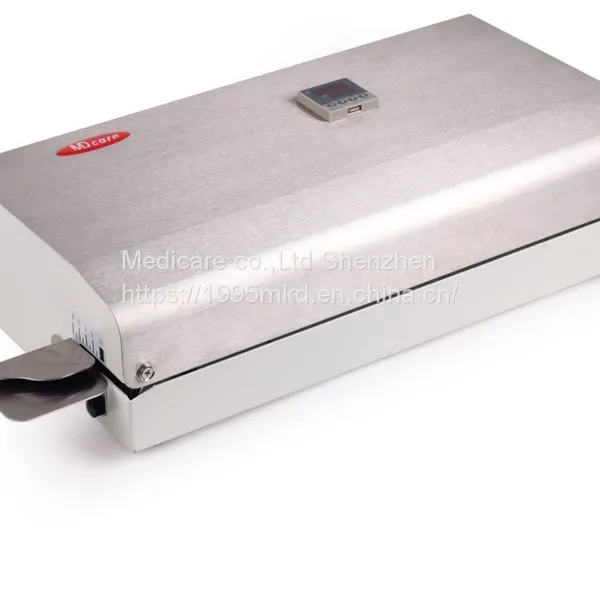
MDcare MD500 Baking Enamel Sealer Cuting 45cm Wideth Manual Medical Sealing Machine Dental Sterilization Packaging MachineryUS$ 190 - 220MOQ: 1 Set
-
MDcare MD385 Stainless Steel 3.5\'\' LCD Touch Screen Auto Cutter 40cm Wide Sterilization Medical Printing Blood Bag Tube Cutting Packaging MachineryUS$ 1100 - 1200MOQ: 1 Piece
-
MDcare MD680st Standard Stainless Steel Upper House Baking Enamel Lower Cover Manual Cutter Medical SealerUS$ 550 - 580MOQ: 1 Set
-
MDcare 880N 5.7\'\' Touch Screen Stainless Steel Medical Sealer Printing Blood Bag Tube MachineUS$ 1500 - 1800MOQ: 1 Piece
-
MD620 Continuous SealerUS$ 340MOQ: 1 Set
-
MDcare MD386 7\'\' LCD Touch Screen 77cm Length Intellectual Cut-seal-print ComplexerUS$ 3550 - 3880MOQ: 1 Piece
-
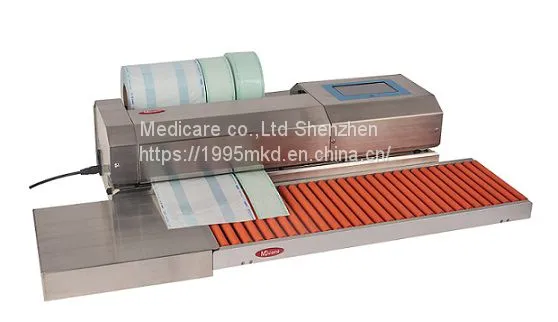
MDcare MD250 Speed-regulating Automatic ConveyorUS$ 470 - 480MOQ: 1 Piece
-
MDcare MD380 Stainless Steel LCD Touch Screen Auto Cutting 60cm Wide Sterilization Medical Printing Blood Bag Tube DeviceUS$ 3830 - 4300MOQ: 1 Piece
-
MDcare MD 880V 5.7\'\' Touch Screen Auto Continuous Sealer With Printer Medical Printing Blood Bag Tube Sealing MachineryUS$ 1550 - 1850MOQ: 1 Piece
-
MDcare 880N 5.7'' Touch Screen Stainless Steel Medical Sealer Printing Blood Bag Tube MachineUS$ 1500 - 1800MOQ: 1 Piece
-
MDcare MD500 Baking Enamel Sealer Cuting 45cm Wideth Manual Medical Sealing Machine Dental Sterilization Packaging MachineryUS$ 170 - 220MOQ: 1 Set